The retreat at the Taia Gorges is the ideal base for exploring a remarkable region: gorges and caves, the Parâng, Șureanu and Retezat mountains, ski resorts, Petrila’s mining heritage and spectacular mountain roads. Here are our recommendations, from treasures just a few steps away to full-day excursions.
Travel times are approximate. Check opening hours and access conditions before you go.
Nature & hikingWalking distance
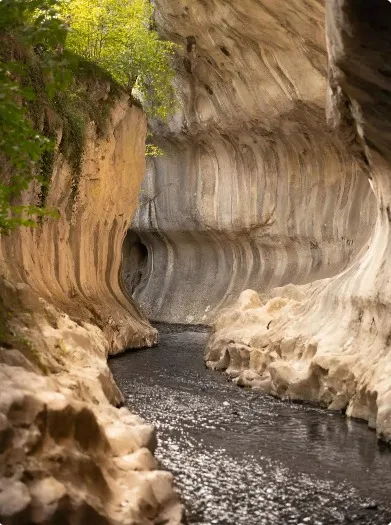
Taia Gorges (Cheile Tăii)
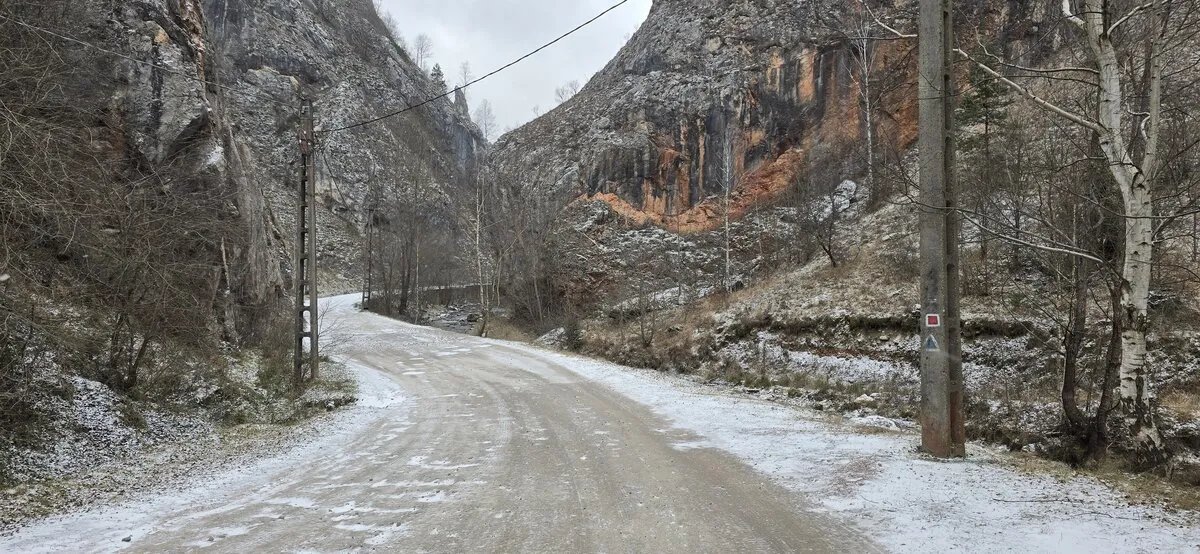
A protected nature reserve where the Taia stream cuts through white and grey limestone walls. The path follows the water over metal footbridges, past springs flowing straight out of the rock, small grottos and climbing routes of several grades.
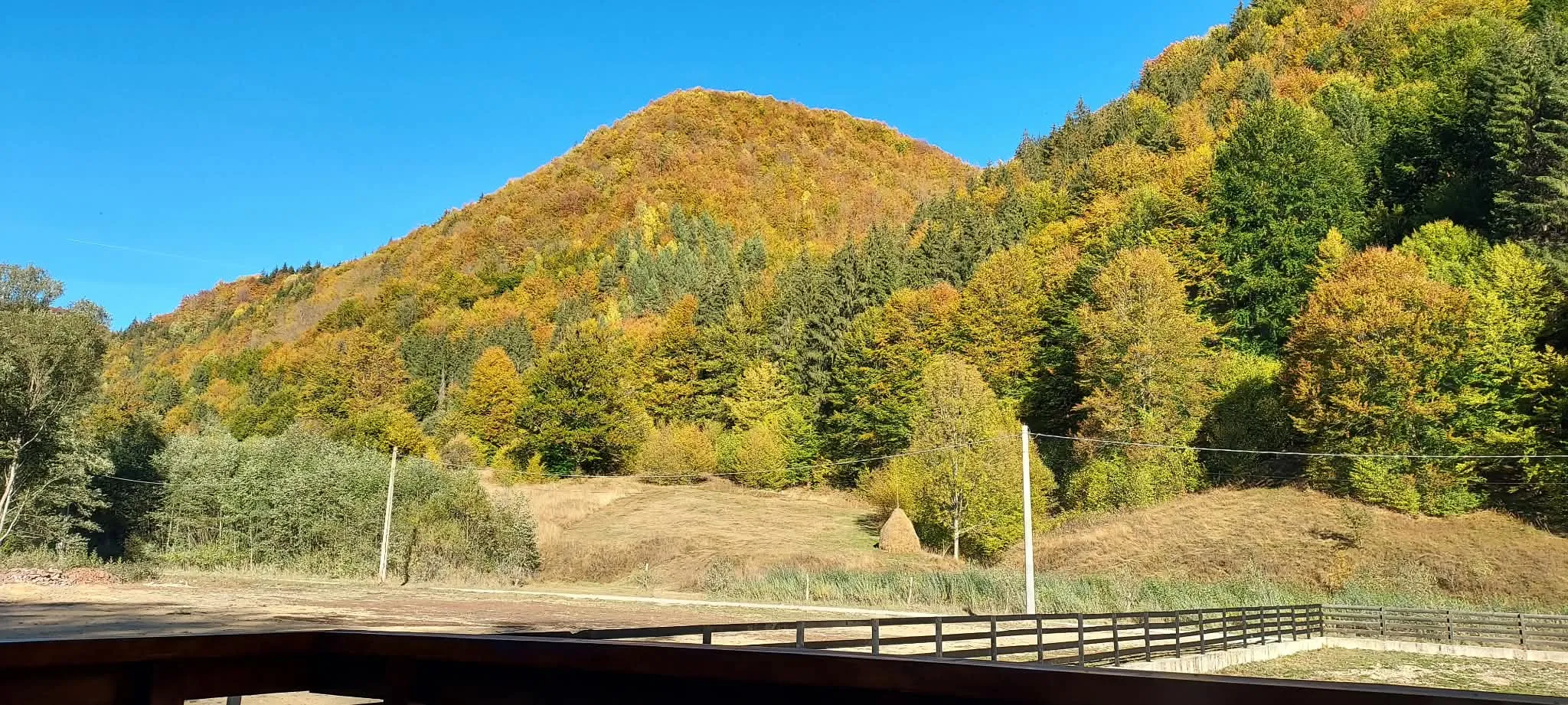
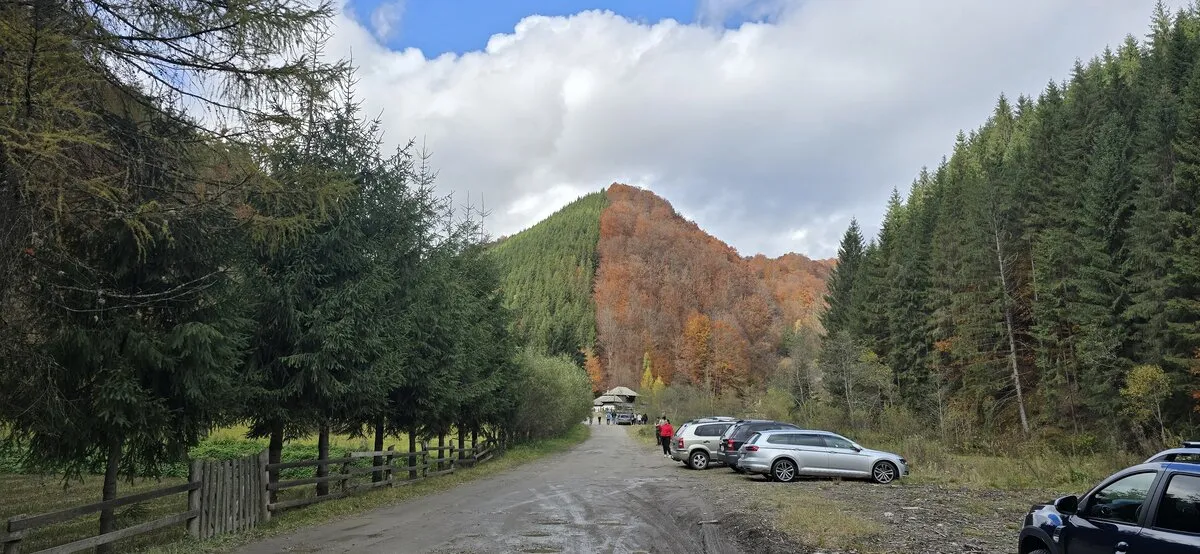
A hillside in the Taia valley where half the forest was replanted with spruce about 50 years ago while the other half kept its beech and oak. In autumn the hill splits into a sharp line of green and rust – locals also call it the “Mountain of the Heart”.
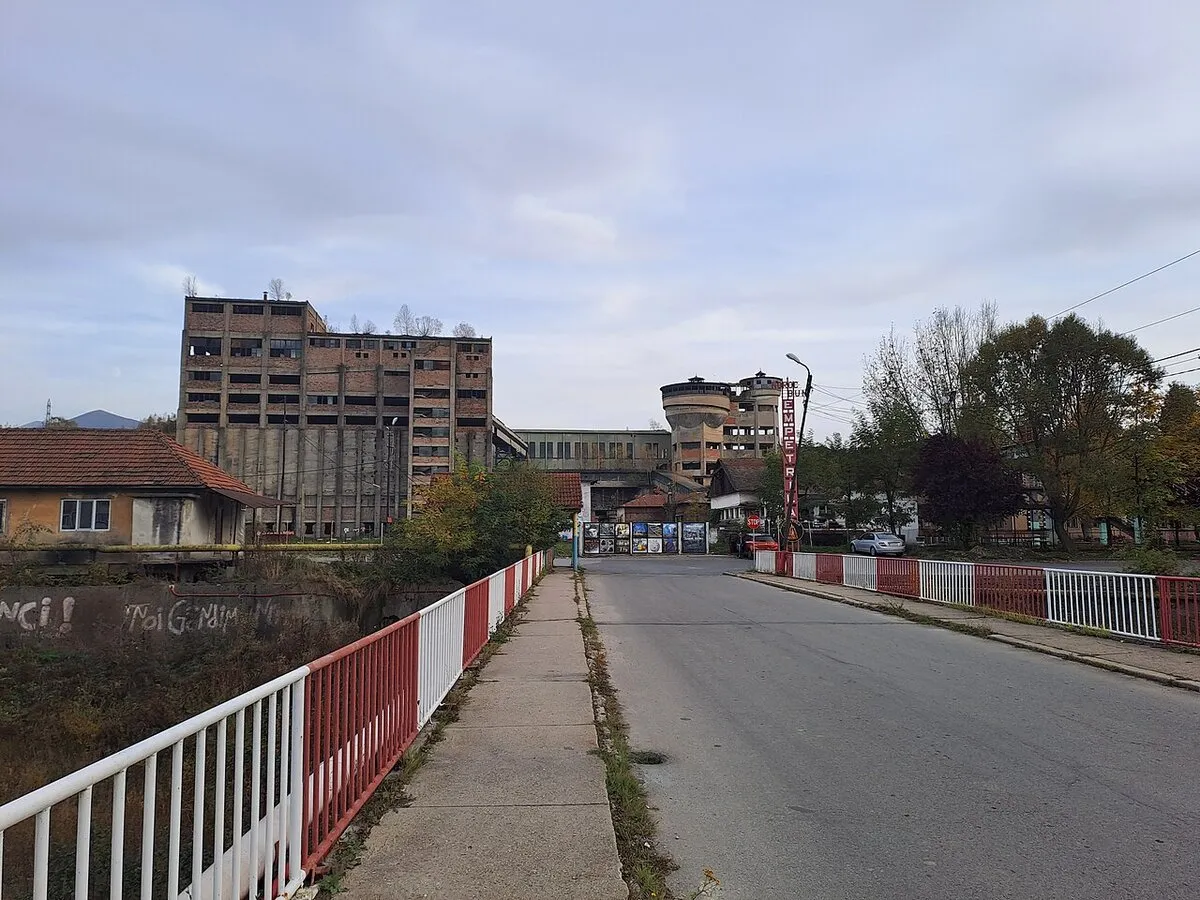
The former coal mine, closed in 2015, is now a listed historic monument and cultural venue. Expect guided routes through the industrial buildings, the Mine Rescue Museum, concerts and festivals – the story told in the documentary “Planeta Petrila”.
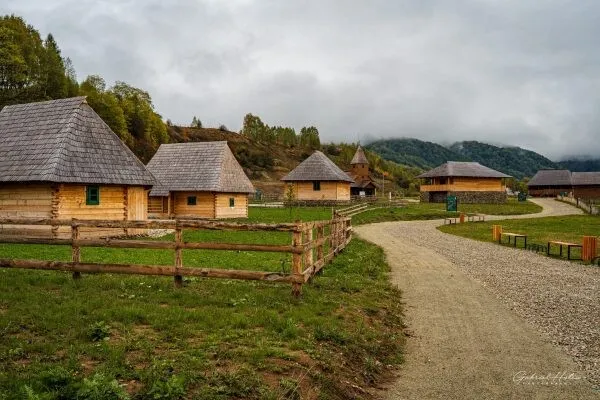
An open-air village museum opened in 2024 at the entrance to Jieț: more than 20 wooden homesteads built the old way, with a small wooden church at its centre. Inside are tools, carved furniture, textiles and folk costumes donated by families of the momârlani, the Jiu Valley’s original inhabitants.
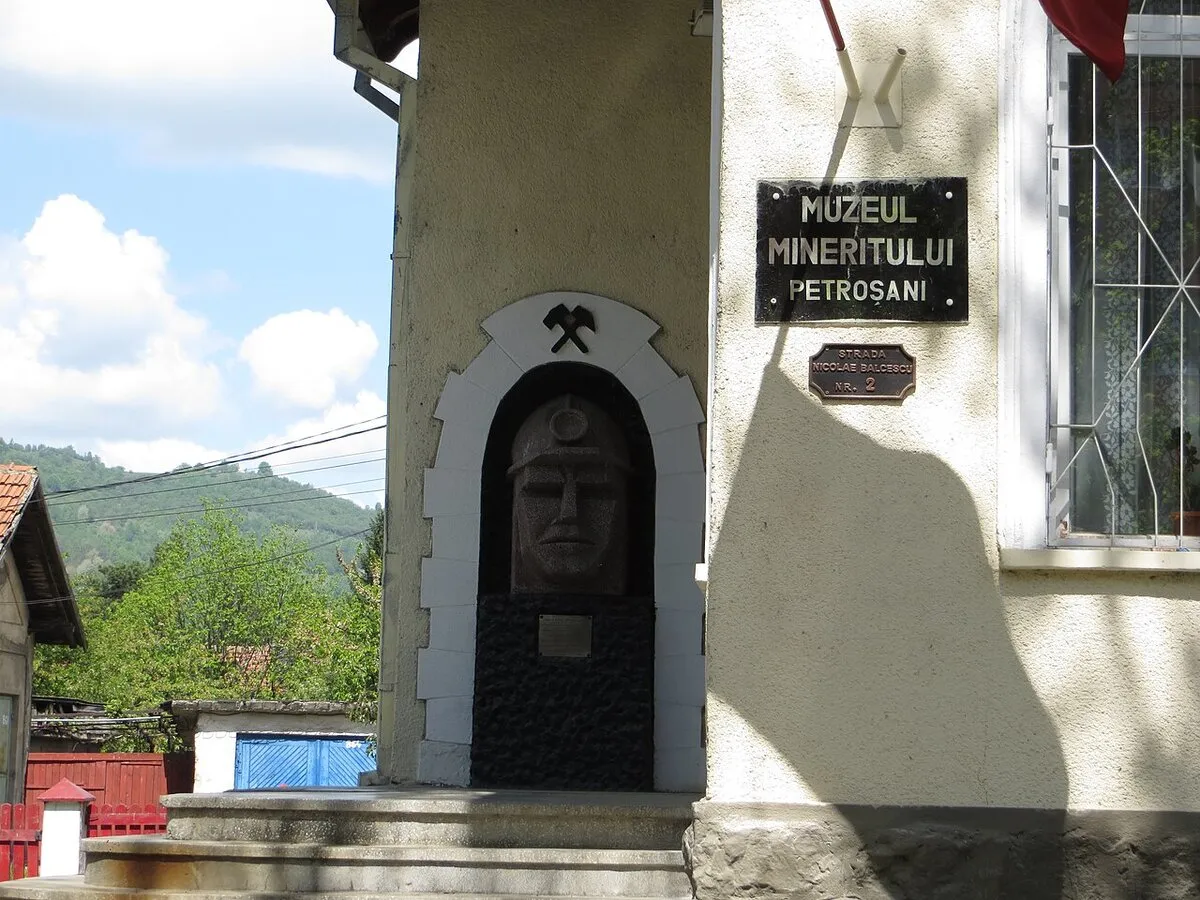
The only museum in Romania dedicated to the technical history of coal mining, recently restored. A great introduction to the mining history of the area.
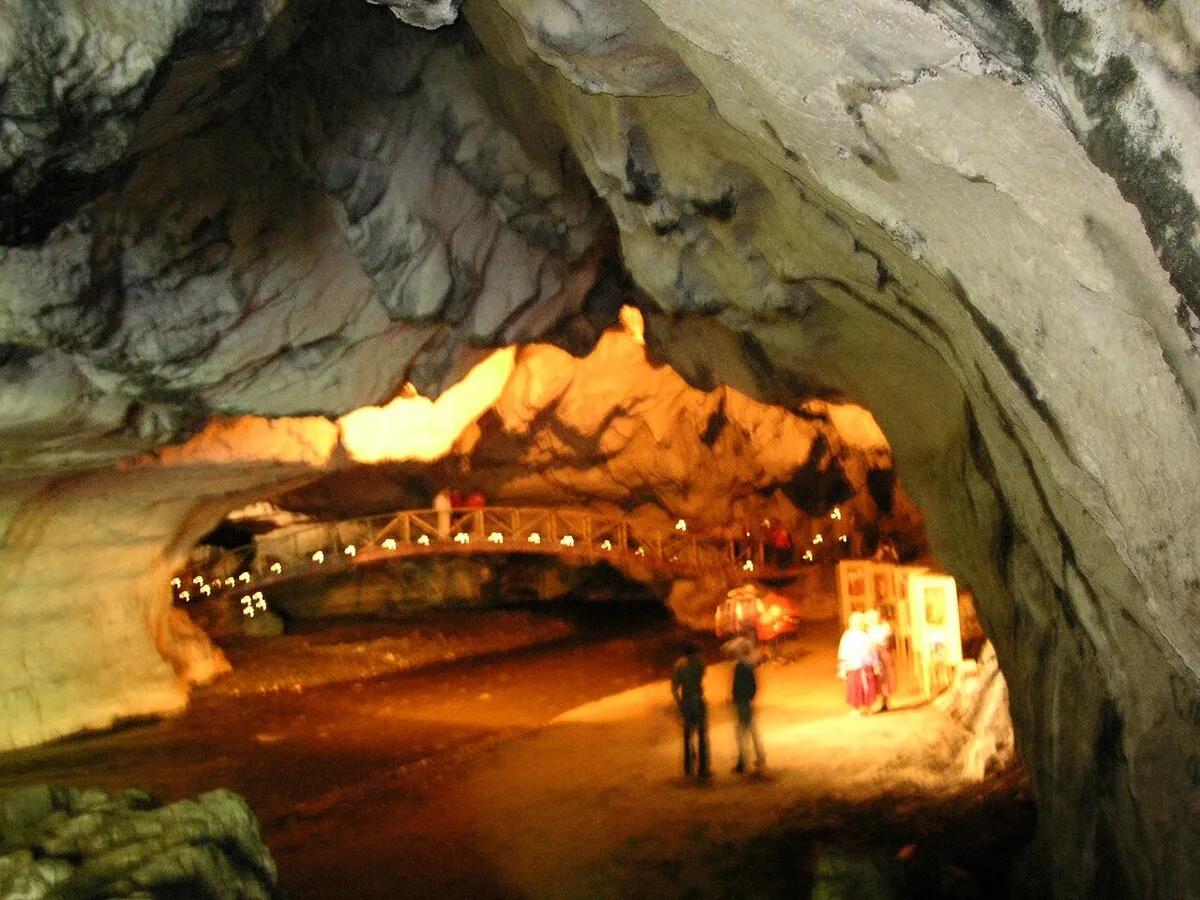
A cave of about 460 m crossed end to end by an underground river, with a dramatic 20 m entrance arch, wooden walkways and concerts held inside. Easy to combine with the nearby Bănița Gorges.
A reserve almost 11 km long between the Parâng and Șureanu mountains, with sheer cliffs, cascades and caves. The road continues towards Obârșia Lotrului and the Transalpina; stunning in autumn and in winter, when the cascades freeze.
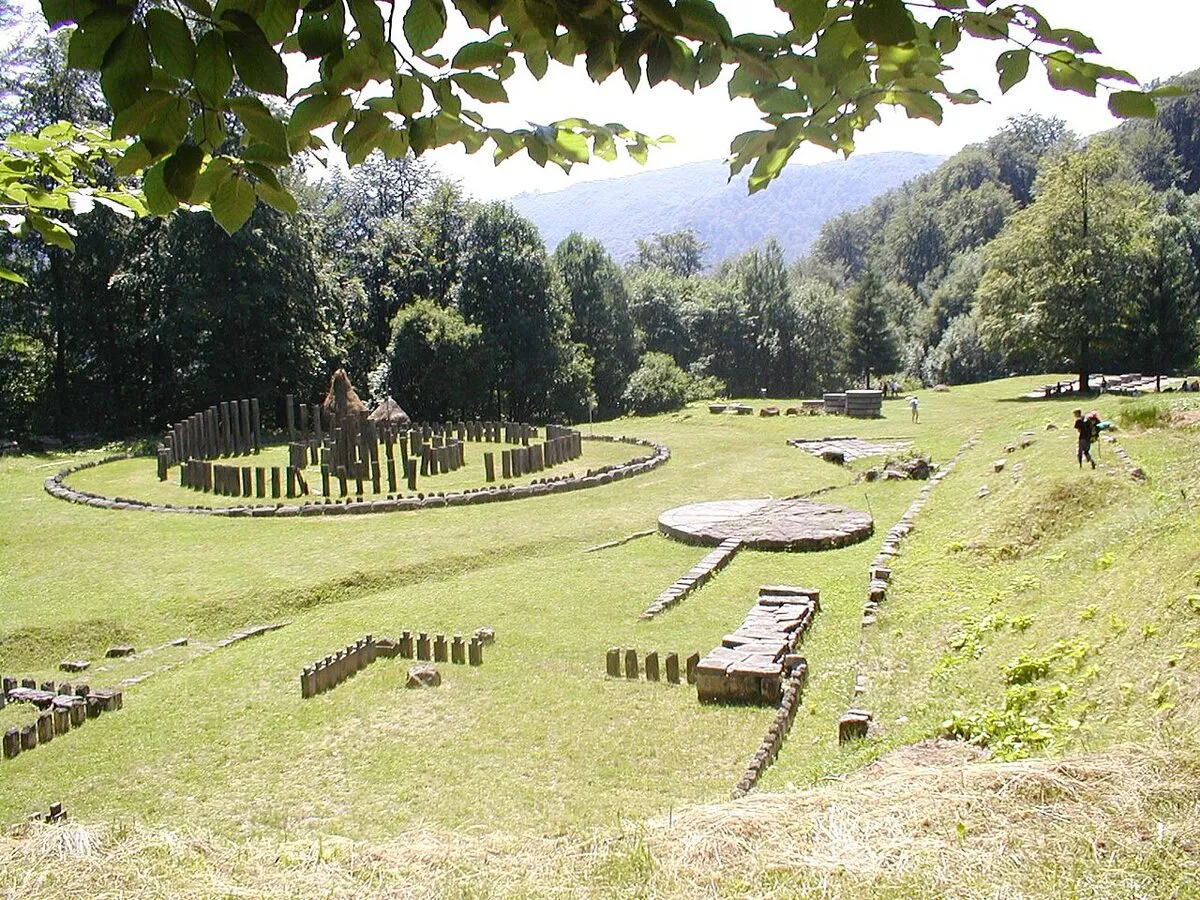
A short, narrow limestone gorge cut by the Bănița stream, inside the Grădiștea Muncelului – Cioclovina Nature Park. The roughly 300 m route goes right through the water – usually ankle-deep in summer, so bring water shoes. Nearby: Bolii Cave and the UNESCO-listed Dacian fortress of Bănița.
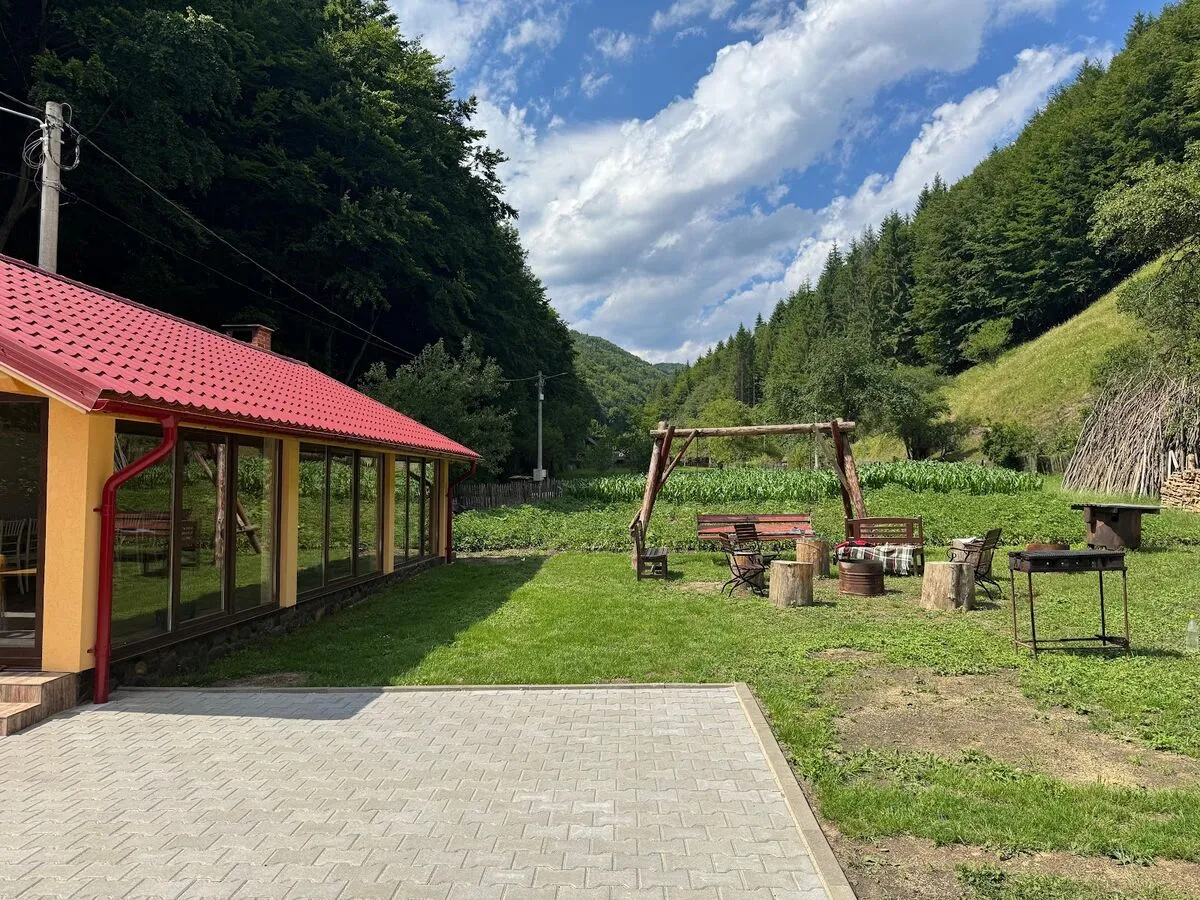
A family-run local food spot at the edge of the forest in Bănița. Almost everything on the table comes from the hosts’ own smallholding: home-baked bread, porcini mushroom soup, generous portions and blueberry liqueur. Perfect after a walk through the Bănița Gorges; best to call ahead on +40 728 834 513.
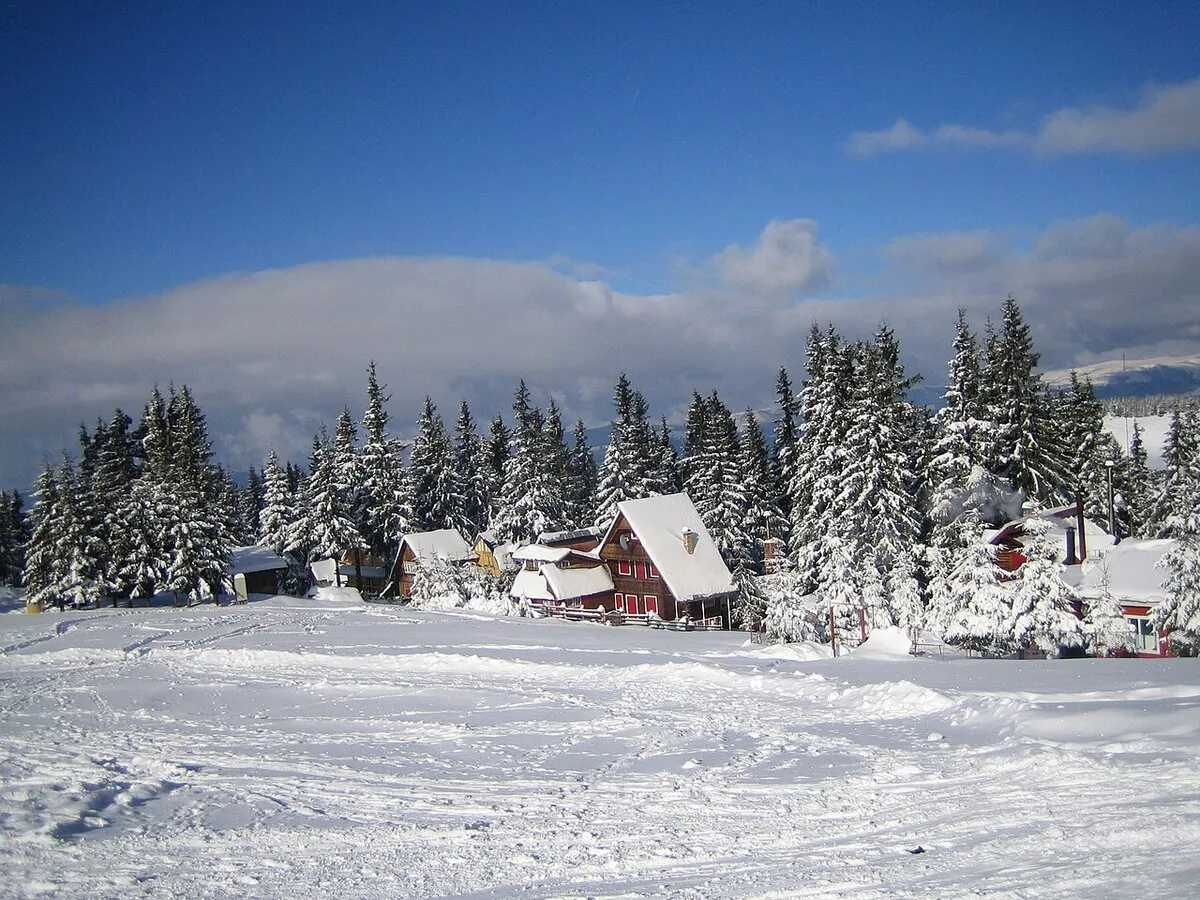
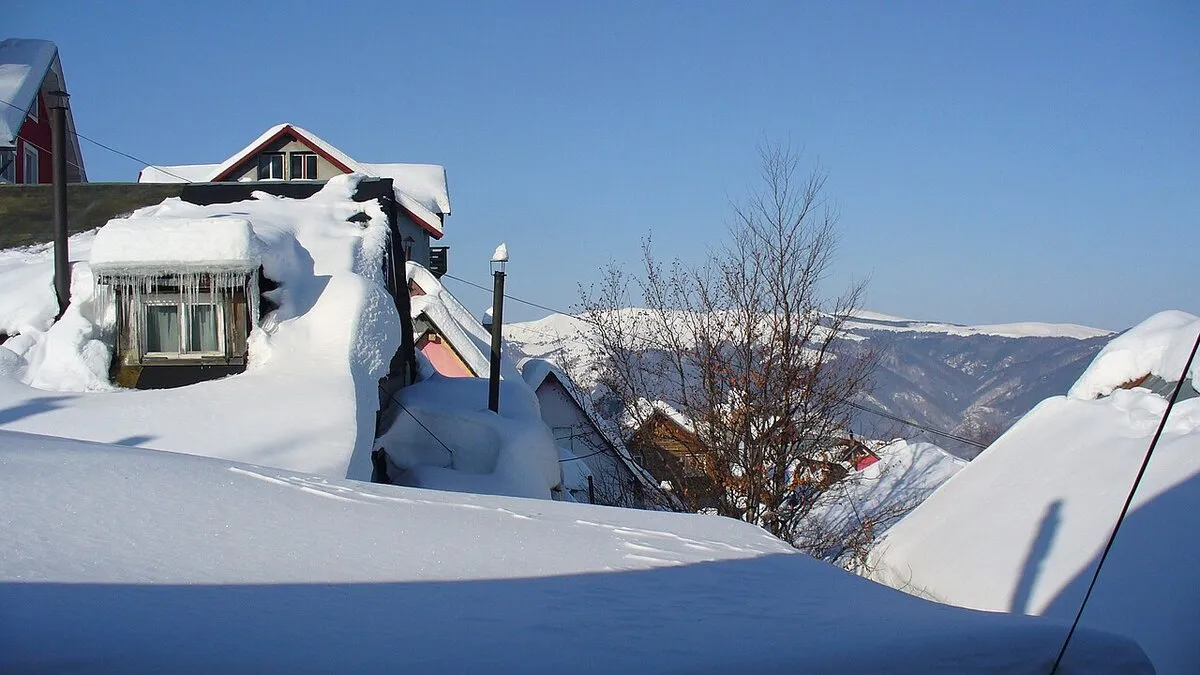
Above Petroșani, with around 10 ski slopes and one of the longest chairlifts in Romania, rising to about 1,700 m. In summer it is the starting point for hikes along the alpine Parâng ridge.
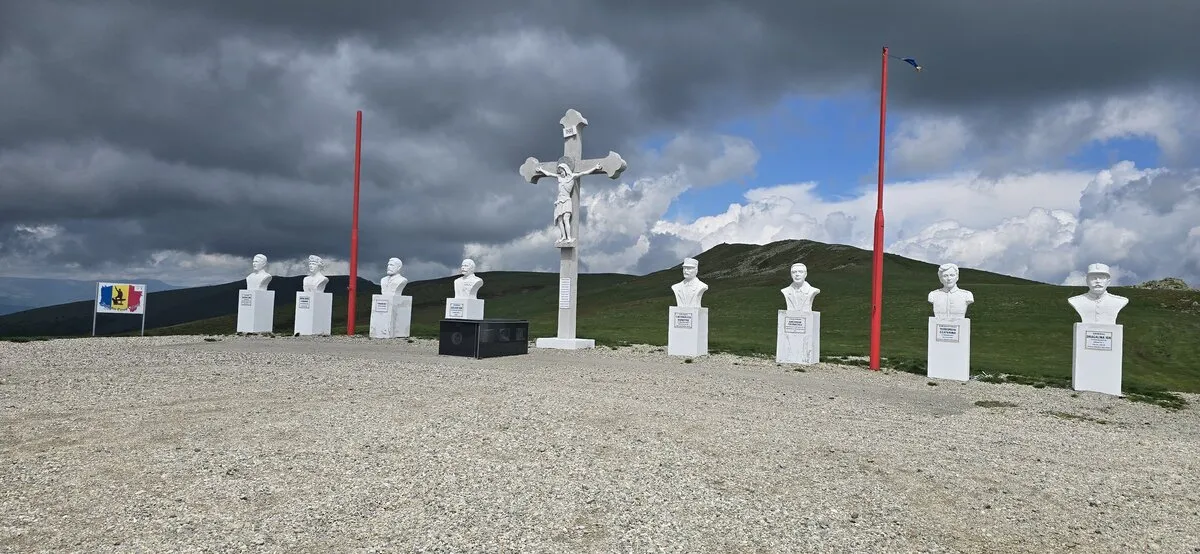
A 1,621 m mountain pass above the town of Vulcan, with a small ski area, a WWI Heroes’ Cross and a wooden hermitage. Tradition says Trajan’s legions passed this way on their march to Sarmizegetusa.
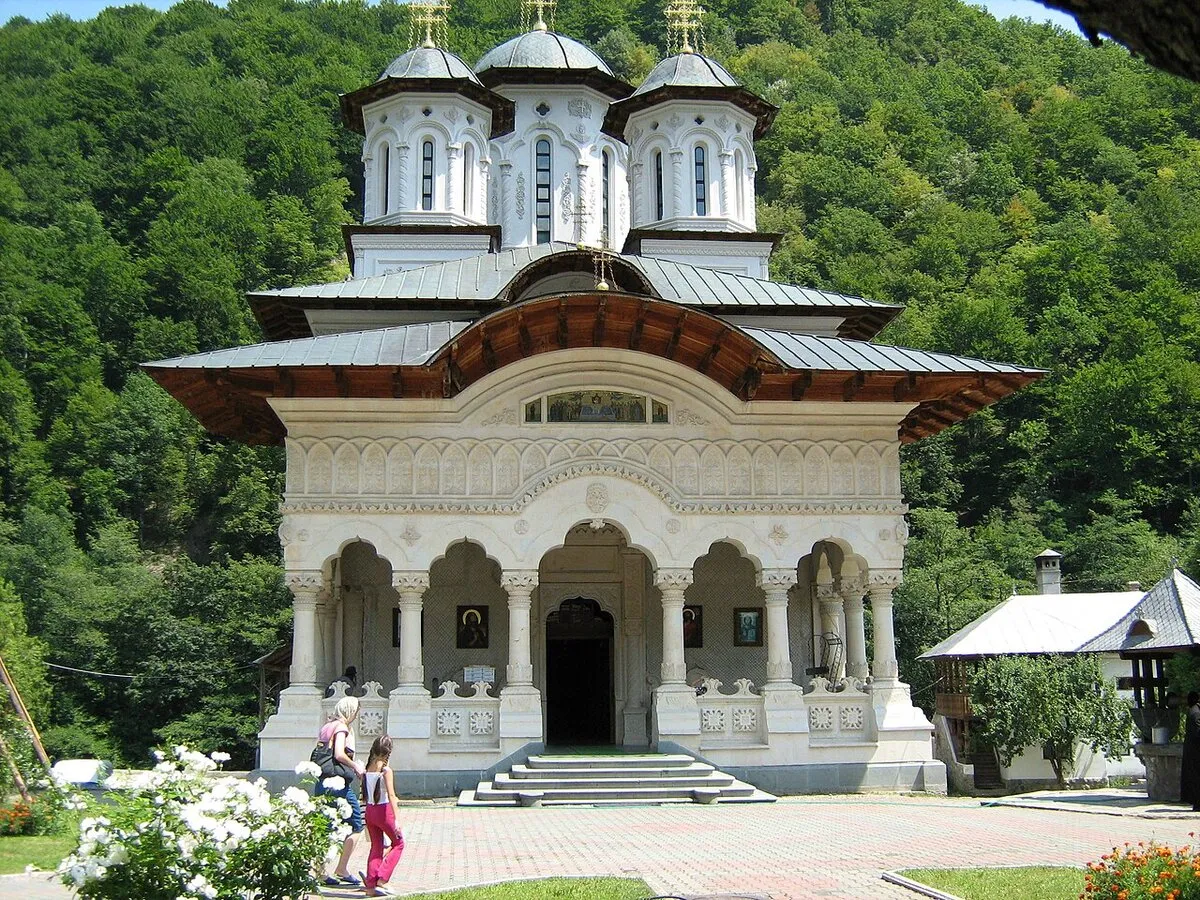
A national park along the 30+ km gorge between the Vâlcan and Parâng mountains. Lainici Monastery, built in 1817, is the park’s most visited site, with the “Lainici Sphinx” rock formation nearby.
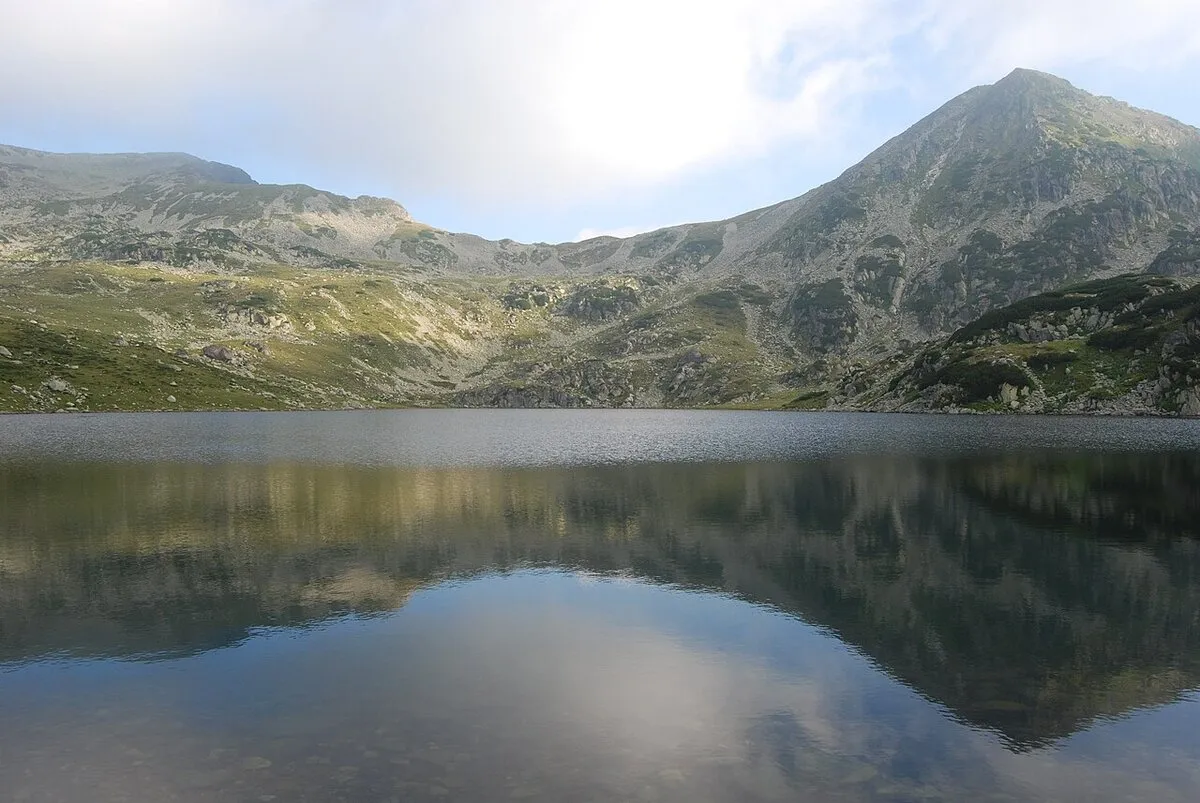
Romania’s best-known alpine park, with dozens of glacial lakes. From Petrila you get there via Uricani and Câmpu lui Neag, passing the Valea de Pești reservoir at the foot of the Retezat.
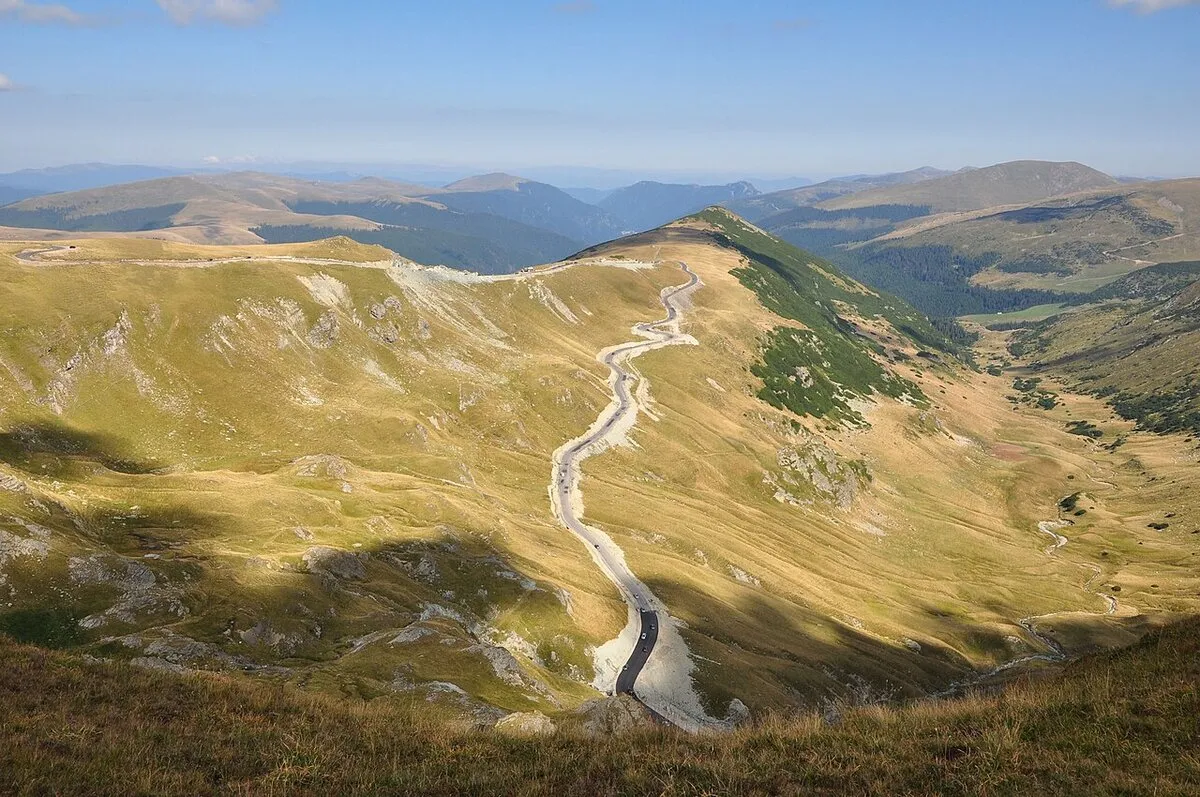
Romania’s highest road, climbing to 2,145 m at the Urdele Pass. Usually open from June to October; the Rânca resort at 1,600 m is a good base for skiing and hiking.